
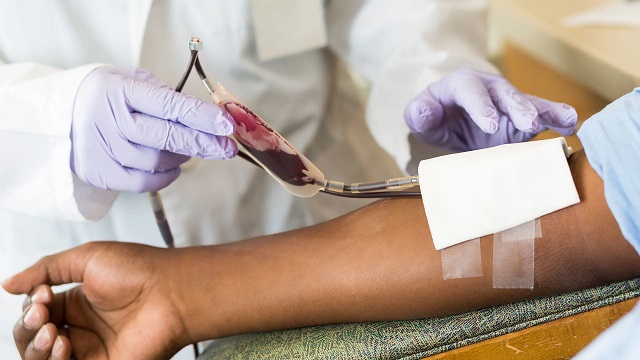
Good health is Wealth.
Good healthcare being a problematic challenge in Africa, the healthcare system faces a lot scarcity of equipment, good facilities, resources that results to recording more death rate on the continent. There is no or little decentralization systems in the health sector in Africa making it difficult for those living in rural areas to get proper treatments as compared to those in urban centers. Patients in these rural areas tends to rely on traditional African medicine or travel miles for healthcare. The general goal is to strengthen health systems performance, increase investments in health, improve equity and address social determinant of health to reduce priority diseases burdens.
Research conducted under King Damien Foundation revealed that, there is too much shortage of blood stored at blood banks in Africa to save lives. This is an exemplary information and the depth of initiative we gather to invest in health projects. We seek to provide health awareness campaigns, outreaches as well as integration activities and financial support. The King Damien Foundation work closely with passionate individual doctors, nurses and other aspect of medical professionals.
We believe that access to quality health is not only a human right issue but also a tool for community growth thereby, also collaborating with health providers- Hospitals, health Centres, CHIPS Compounds in our communities to provide health services to community members. By the year 2030, it is our desire to help as many communities in Africa as possible the best way we can to provide sustainable health measures.
The history of education in Africa can be traced to the colonial periods by Europeans colonist dated as far back as the 15th century being a significant and considered as universal human right.
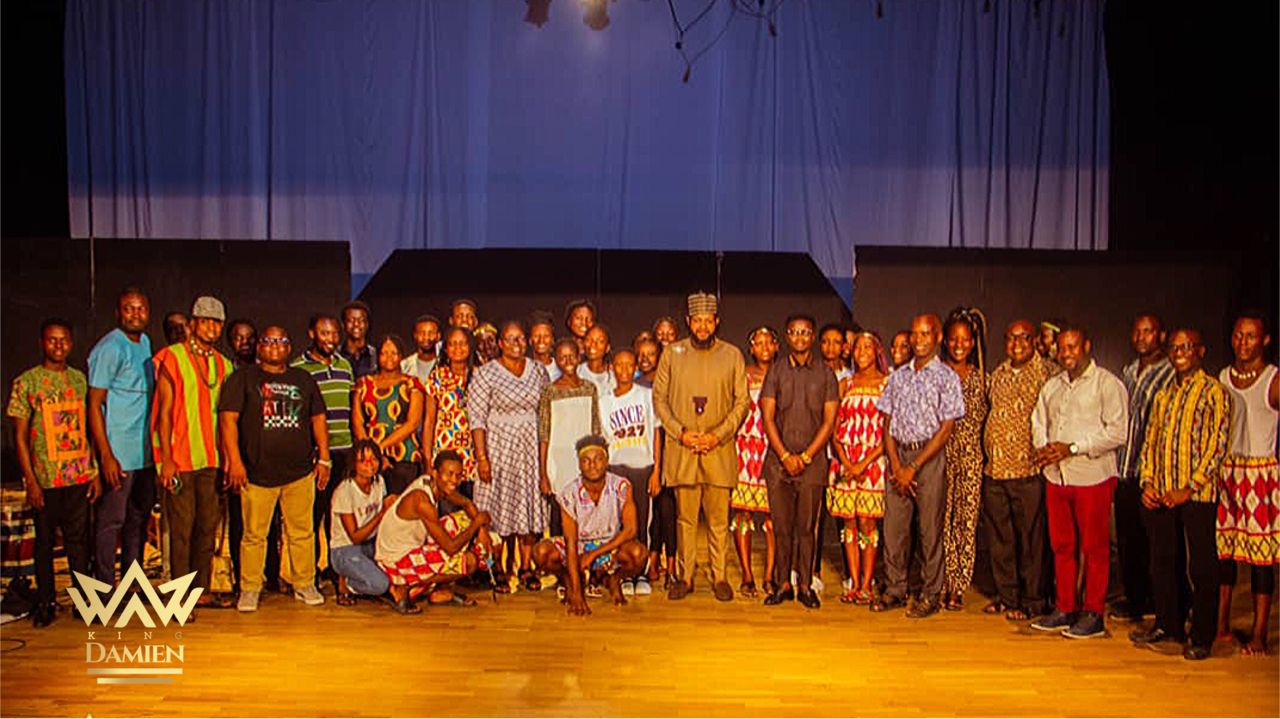
The purpose of education is to acquire knowledge and impact from experienced scholars in those fields of study in order to be able to handle situations In present times, it is still common in many areas in Africa to find children out of school engaged in unproductive activities such as armed robbery, drug trafficking, cyber fraud phenomenon and it is a social issue that needs to be protected in order to secure a good future for these children.
King Damien Foundation wish is to see every child in school acquiring either formal education or skill training education. The thought of supporting children education in Africa can be achieved through Investment in infrastructure: Building and improving schools, classrooms, libraries, and educational facilities is crucial. Adequate infrastructure ensures that students have a conducive environment for learning. Also, the Ensuring equal access to education for all, including marginalized communities, girls, and children with disabilities, is essential. Measures like scholarships, school feeding programs, and transportation assistance can help overcome barriers to education. Not forgetting to engage parents, community leaders, and local organizations in education initiatives to foster a sense of ownership and support. Collaboration with communities can lead to increased enrollment, reduced dropout rates, and a stronger commitment to education.
All these are visions the King Damien foundation is set out to irradicate challenges such as:Limited Economic Opportunities: Without education, individuals often face limited job prospects and are more likely to be trapped in low-income or informal sector employment. The lack of skills and knowledge can hinder their ability to secure stable and well-paying jobs.
Poverty and Inequality: Education plays a crucial role in breaking the cycle of poverty. Without access to education, individuals are more likely to remain in poverty, lacking the necessary skills to improve their economic situation. This perpetuates inequality within societies.
Limited Social Mobility:Education provides opportunities for social mobility, allowing individuals to improve their social status and contribute to their communities. Without education, social mobility becomes significantly restricted, limiting personal growth and development.
Limited Civic Participation:Education fosters critical thinking, civic engagement, and active participation in democratic processes. Without education, individuals may lack the skills and knowledge necessary to participate meaningfully in their communities, limiting their ability to advocate for their rights and contribute to decision-making processes.
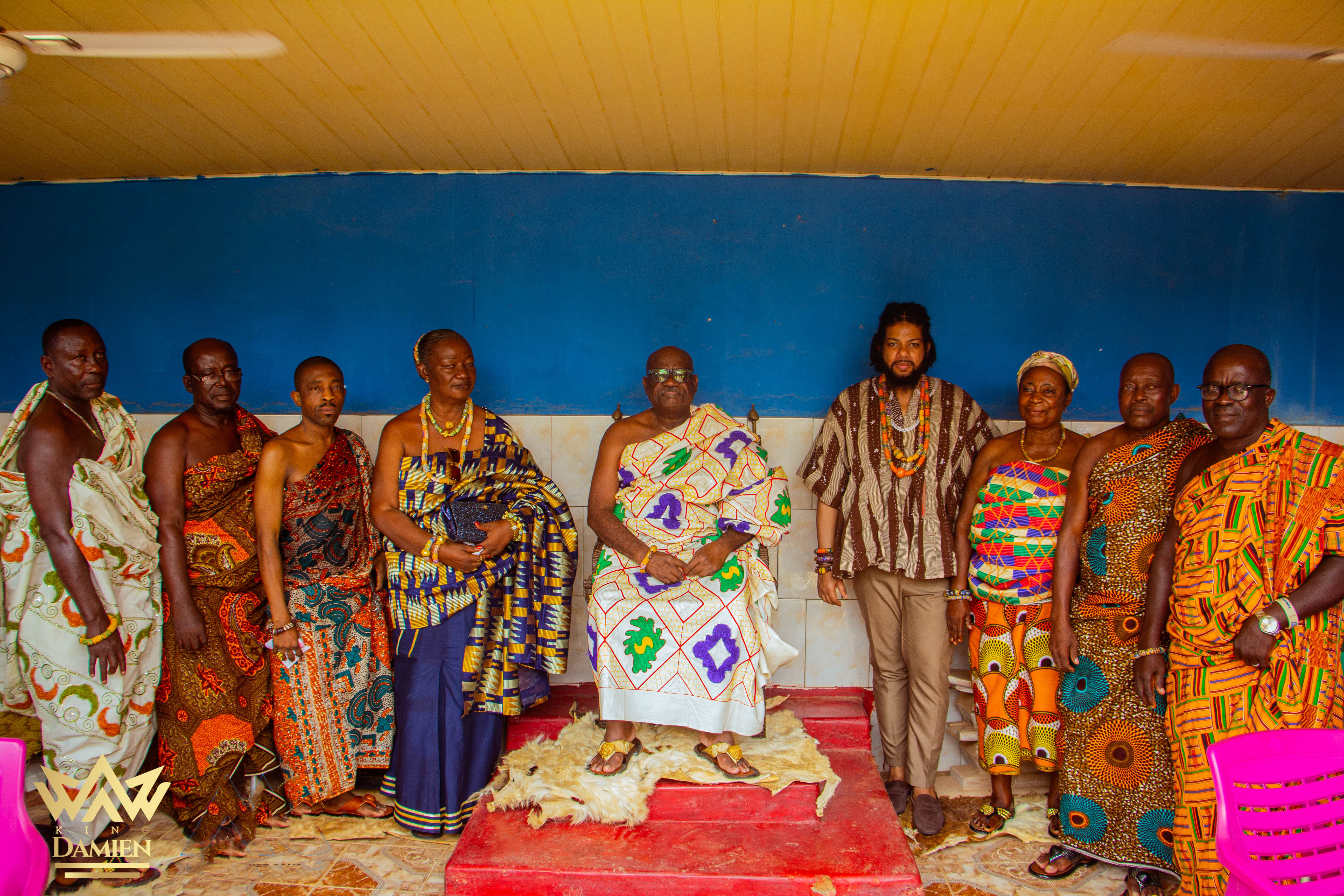
Many parts of Africa suffer poverty due to lack of development, low self-esteem of the people, poor governance among host of other factors. Nevertheless, Africa can be described as the new destination for doing profitable investments into operating commercial or industrial businesses where the indigens in that particular country can also get job opportunities. Most African countries can boost of highly competent graduates unemployed due to scarcity of job opportunities, thereby increasing the level of poverty rate on the continent of Africa. Base on the concept of poverty alleviation and job creation for the people, we conduct several and up to point community development researches for prospective investors who desire to enter into any type of business in Africa by showing these investors which country is best for their type of business.
On the other side, we also train community members especially women with critical self-employable skills because till date women and girls around some parts of the world are faced with social and employment discrimination and inequality. After successfully going through the training our members are given the requisite capital for initial start-up. Areas of concentration includes; Bead making, Soap making, Dress Making, Farming, Catering, Carpentry, etc. These can be categorized under Vocational skills which have over the years being proven as skill sets that enhances community development.
Vocational skills play a vital role in community development by empowering individuals and fostering economic growth. Here are some ways vocational skills contribute to community development:Employment and Income Generation: Vocational skills equip individuals with practical knowledge and expertise in specific trades or professions. This enhances their employability and income-earning potential. By acquiring vocational skills, individuals can secure gainful employment, start their own businesses, or become entrepreneurs, thereby contributing to the economic growth of their communities.
Reduced Unemployment: Vocational training programs address the mismatch between skills demanded by industries and the skills possessed by job seekers. By providing relevant skills training, vocational programs help reduce unemployment rates within communities. This, in turn, leads to greater stability, improved living standards, and reduced reliance on social welfare systems.
Entrepreneurship and Small Business Development: Vocational skills empower individuals to start and manage their own businesses. By providing training in areas such as entrepreneurship, marketing, financial management, and business planning, vocational programs foster the growth of small and medium-sized enterprises (SMEs). These businesses contribute to local economies, create job opportunities, and stimulate economic development within communities

Has a good heart for humanity and the desire to project a course where there will be enough for everybody to enjoy a worry-free life and by so doing, aligning the objective of basic mindset to Human Right.
It is also on his heart to save countless individuals struggling to survive due to underlying factors that these individuals are innocent of by engaging the right stakeholders to tackle solution measures that will underpin these predicament.
© King Damien Foundation, All Right Reserved.